
Thblet Q&A
Q & A for Pharmacies, Health & Wellness Stores & Wholesalers
Range structure, stocking, storage and counter support: what pharmacies and wholesalers ask before they list Thblet.

20 questions
Stocking Thblet: Range, Storage and Trade Support
Select a question to read the answer. Anything we have not covered, send us a message and a Thblet representative will reply.
01How is the Thblet range structured for clear retail display and consultation?
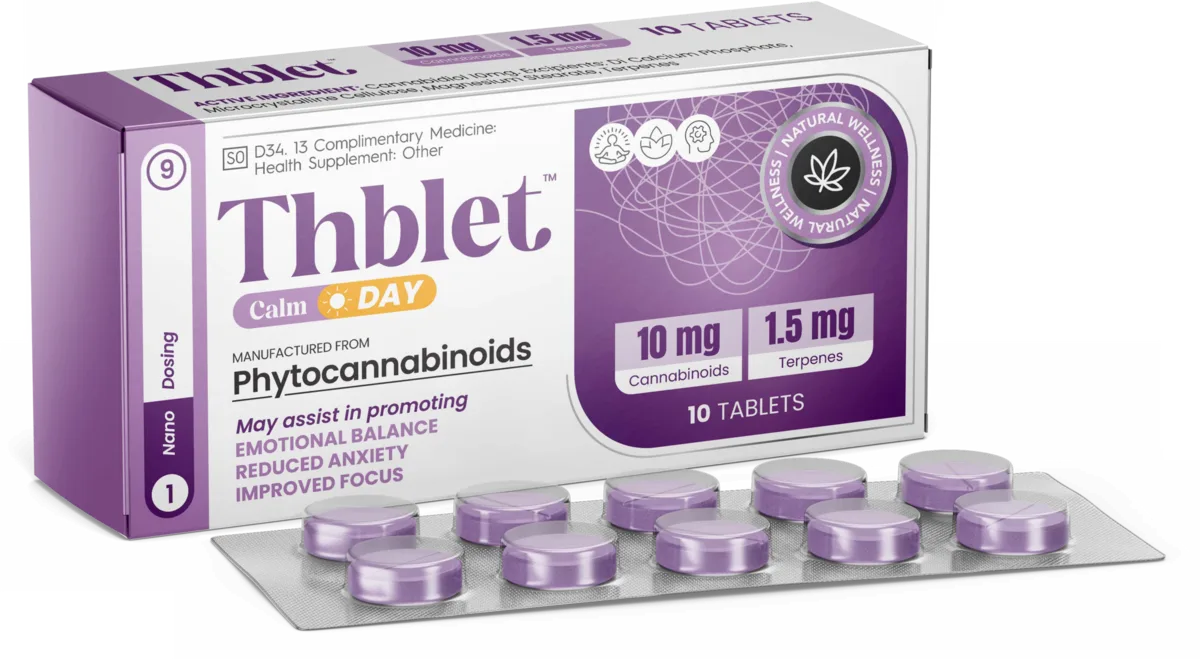
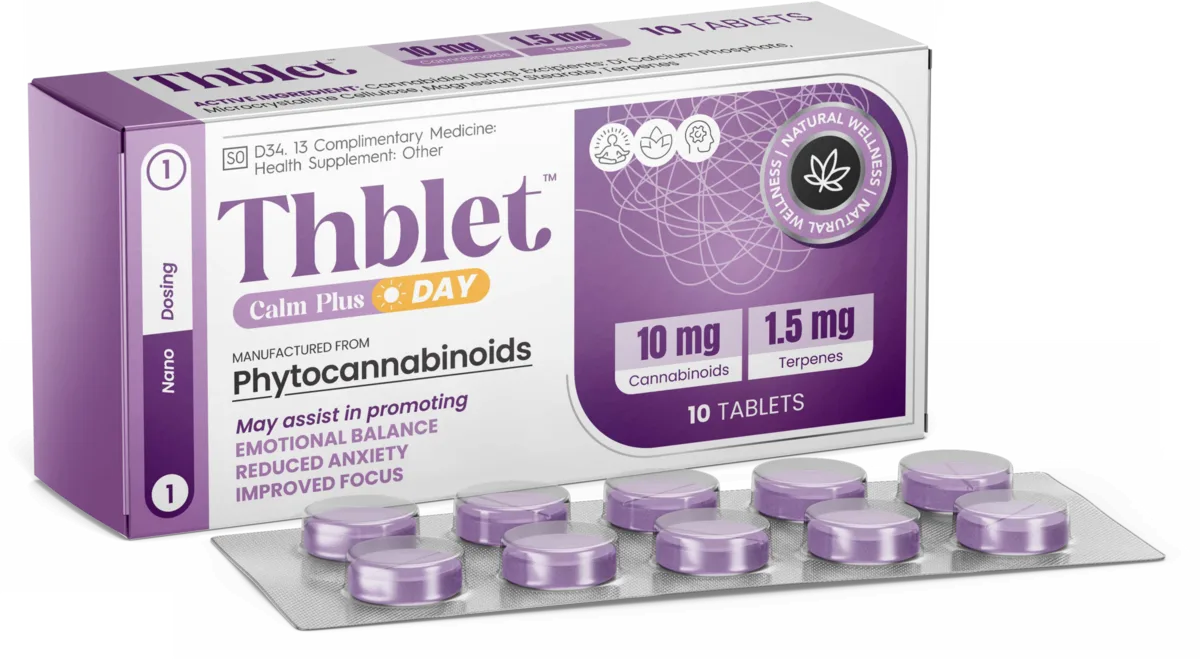
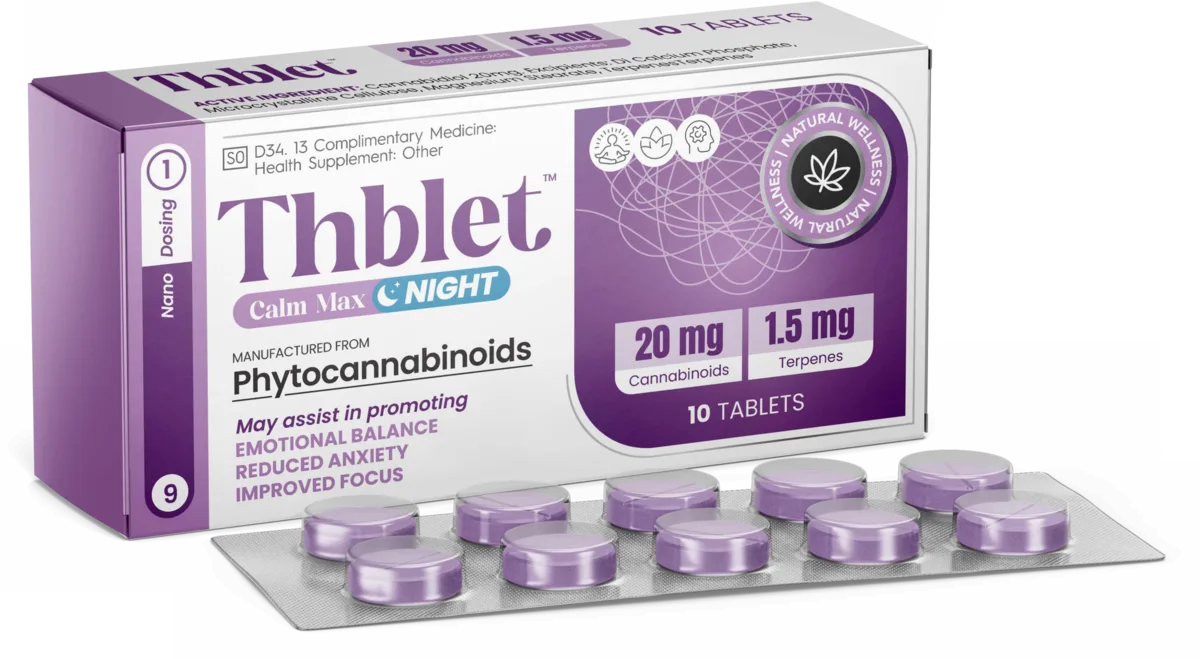
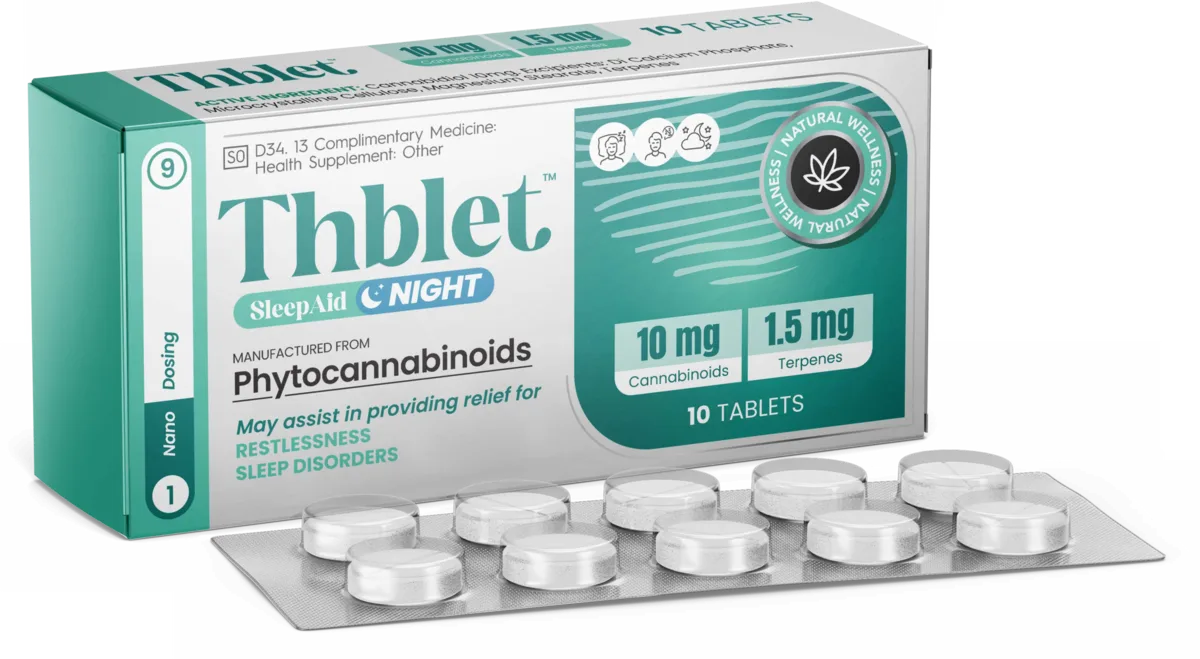
The range is partitioned into three color-coded therapeutic categories (Pain, Calm, and SleepAid) with explicit Day/Night indications and dosage guidance on every pack.
02Why should pharmacies stock Thblet over liquid CBD oils or drops?
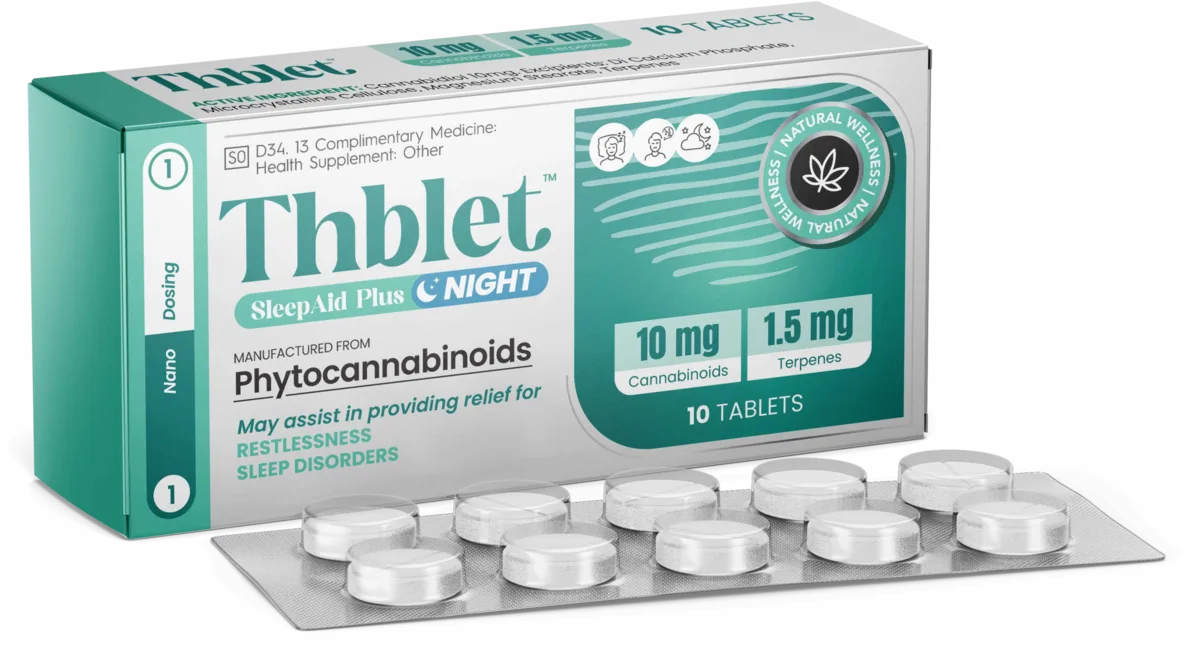
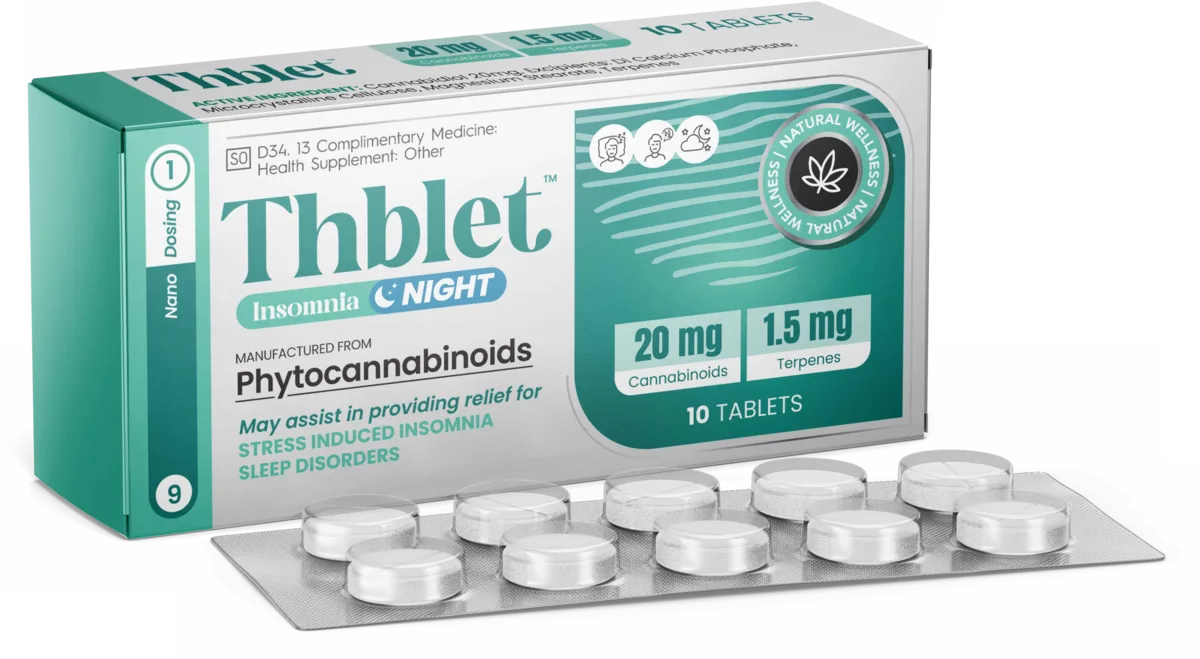
Thblet offers standardized solid-dose blister packs (10 tablets) with precise active quantities per tablet (10 mg/20 mg cannabinoids + 1.5 mg terpenes), designed for shelf stability and easier dosing than liquid drops.
03What step-up options exist across each product category?
04What are the storage requirements for Thblet products?
Solid-dose blister packaging protects the actives from light, moisture, and oxidation, allowing standard ambient room-temperature storage.
05How does Thblet drive retail pharmacy revenue and profitability?
It gives pharmacies one cannabinoid range across three large everyday categories (pain, calm and sleep), positioned as a pharmacist-recommended alternative to general supplements. Send us a trade enquiry for trade terms.
06What schedule category and dispensing classification does Thblet fall under?
The pack labels it a Schedule 0 complementary medicine (health supplement). How it may be sold and recommended depends on its formulation, regulatory status and labelling, so ask us for the current regulatory documentation before you list it.
07What point-of-sale support is available for front-counter staff?
Pharmacies receive compact Freestanding Display Units (FSDUs), clinical sales aids, and quick-reference recommendation guides for staff.
08How does Thblet reassure customers worried about quality standards?
Thblet is manufactured by Exzol (Pty) Ltd, and every box lists its active ingredients and doses. A certificate of analysis for a batch is available through a trade enquiry.
09Can pharmacists recommend Thblet alongside standard OTC analgesics?
It works through different pathways from classic analgesics, but check the customer’s other medicines first: cannabinoids can interact with some medicines through liver enzymes, and the label warns of drowsiness, which alcohol and other CNS depressants can worsen. Refer customers on chronic prescription medicines to their doctor.
10What is the primary commercial benefit for medical wholesalers?
Standardized blister packaging, clear brand positioning and broad category reach across pain, calm and sleep.
11How does the packaging design prevent patient dosing errors?
Distinct color coding, bold day/night icons, and explicit milligram breakdowns help patients tell daytime products from night-time ones.
12What is the product shelf-life under standard pharmacy conditions?
The blister-pack barrier is designed to limit terpene evaporation and cannabinoid degradation. The expiry date is printed on every pack.
13How does Thblet help pharmacists capture the growing natural wellness market?
It offers plant-derived cannabinoids and terpenes in a fixed-dose tablet, for customers who want a natural option with a pharmacist’s advice.
14Are there co-op marketing or promotional support assets available?
Yes, complete digital video assets, in-pharmacy educational leaflets, and staff training modules are provided to drive store traffic.
15Why is solid-dose nano-emulsion easier to manage than liquid stock?
Solid blister packs eliminate risks of leakage, bottle breakage, oil rancidity, and dropper contamination in stockrooms.
16How does Thblet capture repeat sales in the chronic pain segment?
People living with long-term pain often look for an option they can use regularly, and a 10-tablet pack brings them back to the counter for a pharmacist’s check-in.
17What is the recommended protocol when a patient requests a stronger daytime pain option?
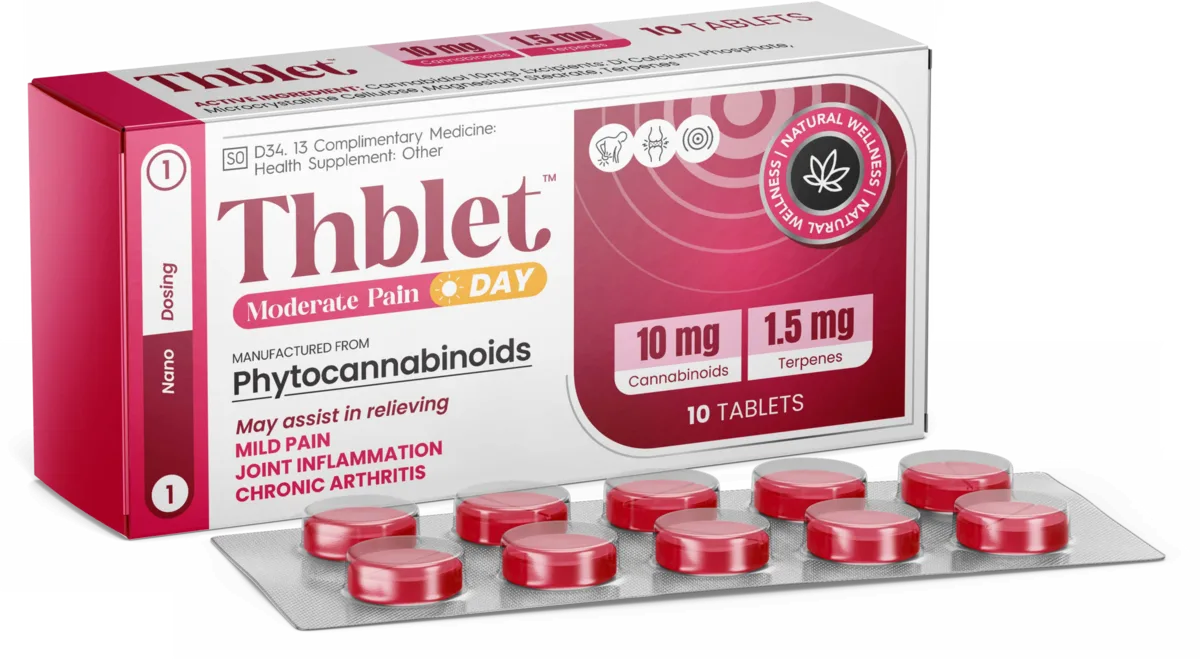
Pharmacists can step patients up from Mild Pain Day to Moderate Pain Day. It is still a daytime product, but the label warns of possible drowsiness, so advise patients to check how it affects them before driving.
18How does the range address stress-induced sleep issues?
Pharmacists can recommend pairing a daytime Calm variant with a night-time SleepAid or Insomnia pack. Both carry the drowsiness warning, so check the customer’s other medicines first.
19Does stocking Thblet require specialized storage equipment or safes?
No special storage equipment is needed: store at or below 25 °C in a cool, dry place. Shelving and display requirements depend on the product’s scheduling and regulatory status, so confirm the current position with us before you list it.
20How can pharmacy staff quickly explain the 'Nano-Dosing Advantage' to customers?
Staff can explain that the actives are dispersed as very fine droplets, designed to help the body absorb them more consistently than an oil.
Help Your Counter Staff Explain Thblet
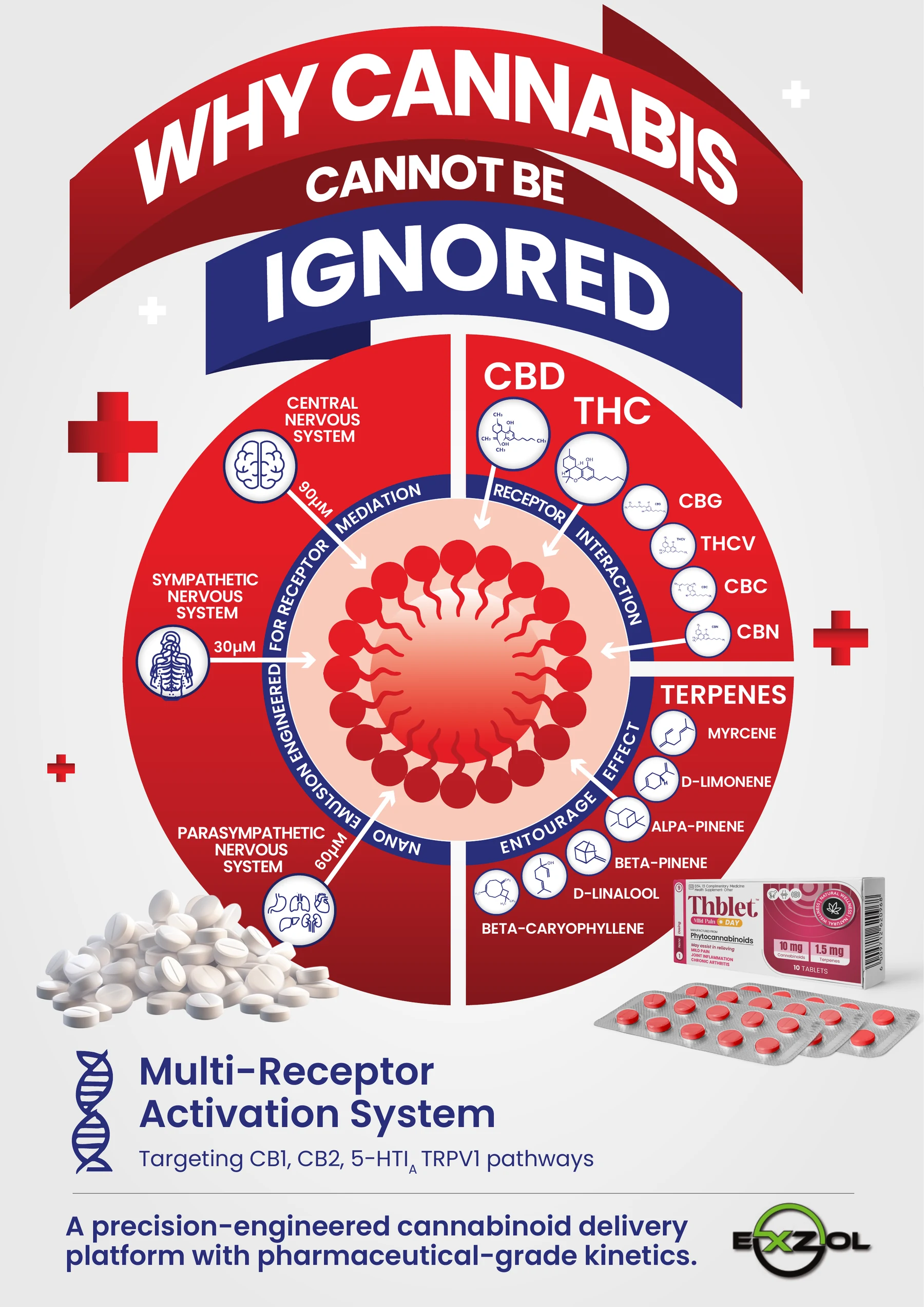
The Thblet poster puts the science on one page, so staff can explain the nano-dosing advantage in a sentence.
- Micro-sized particles, designed for more consistent absorption than oils
- Cannabinoids and terpenes working together: the entourage effect
- Pharmacies receive display units, sales aids and quick-reference guides
Terminology
The medical and pharmacological terms behind Thblet, in alphabetical order.
- 5-HT1A Receptor
- A subtype of serotonin receptor located in the central and peripheral nervous systems that mediates anxiety, mood, stress resilience, and emotional balance.
- Allopathic Medicine
- Conventional or traditional Western medicine, which often relies on active pharmaceutical agents to suppress or treat specific disease symptoms.
- Analgesic
- A class of medical treatments or agents specifically designed to achieve relief from pain without causing loss of consciousness.
- Anti-Inflammatory
- A therapy or substance that reduces inflammation, tissue swelling, and joint stiffness (e.g., in chronic arthritis).
- Anxiolytic
- A pharmacological agent or treatment designed to reduce anxiety, nervous tension, and emotional distress.
- Bioavailability
- The fraction of an administered active drug or compound that reaches the systemic circulation in an unchanged, usable state.
- CB1 Receptor
- Cannabinoid receptor type 1, primarily expressed in the central nervous system, responsible for modulating motor activity, memory, mood, cognitive function, and central pain perception.
- CB2 Receptor
- Cannabinoid receptor type 2, located mainly in peripheral tissues, immune cells, and the gastrointestinal tract, responsible for regulating inflammatory responses and peripheral pain.
- Central Nervous System
- The complex of nerve tissues that controls the activities of the body, comprising the brain and spinal cord, where primary pain perception (CB1 receptors) and central nervous responses are processed.
- Endocannabinoid System
- A complex cell-signalling network in the human body that plays a crucial role in regulating a wide range of functions and processes, including sleep, mood, appetite, memory, and pain sensation.
- Entourage Effect
- The synergistic mechanism by which phytocannabinoids and terpenes work together to enhance each other's therapeutic benefits beyond what any single isolated compound could achieve on its own.
- First-Pass Metabolism
- The initial breakdown of an orally ingested substance by liver enzymes before it reaches systemic circulation, often drastically reducing the effective dose of traditional oils.
- Nano-Emulsion
- A delivery system that disperses active lipid molecules as ultra-fine droplets (30μm to 90μm), designed to improve water dispersibility and the consistency of absorption.
- Parasympathetic Nervous System
- A branch of the autonomic nervous system responsible for regulating the body's "rest-and-digest" processes, promoting systemic relaxation and recovery.
- Pharmacokinetics
- The study of how the body absorbs, distributes, metabolizes, and excretes a drug or therapeutic compound over time.
- Phytocannabinoids
- Plant-derived cannabinoid compounds (such as CBD, THC, CBG, THCV, CBC, and CBN) that interact directly or indirectly with the body's endocannabinoid receptors to produce therapeutic effects.
- Sympathetic Nervous System
- A branch of the autonomic nervous system that drives the body's involuntary response to dangerous or stressful situations ("fight-or-flight").
- Terpenes
- Aromatic botanical compounds (such as Myrcene, D-Limonene, Beta-Caryophyllene, Linalool, and Alpha/Beta-Pinene) that contribute to a plant's therapeutic profile and modulate cannabinoid activity.
- TRPV1 Receptor
- Transient Receptor Potential Vanilloid 1, an ion channel receptor involved in the transmission and modulation of acute and inflammatory pain signals, heat sensation, and tissue inflammation.
Explore the Three Ranges
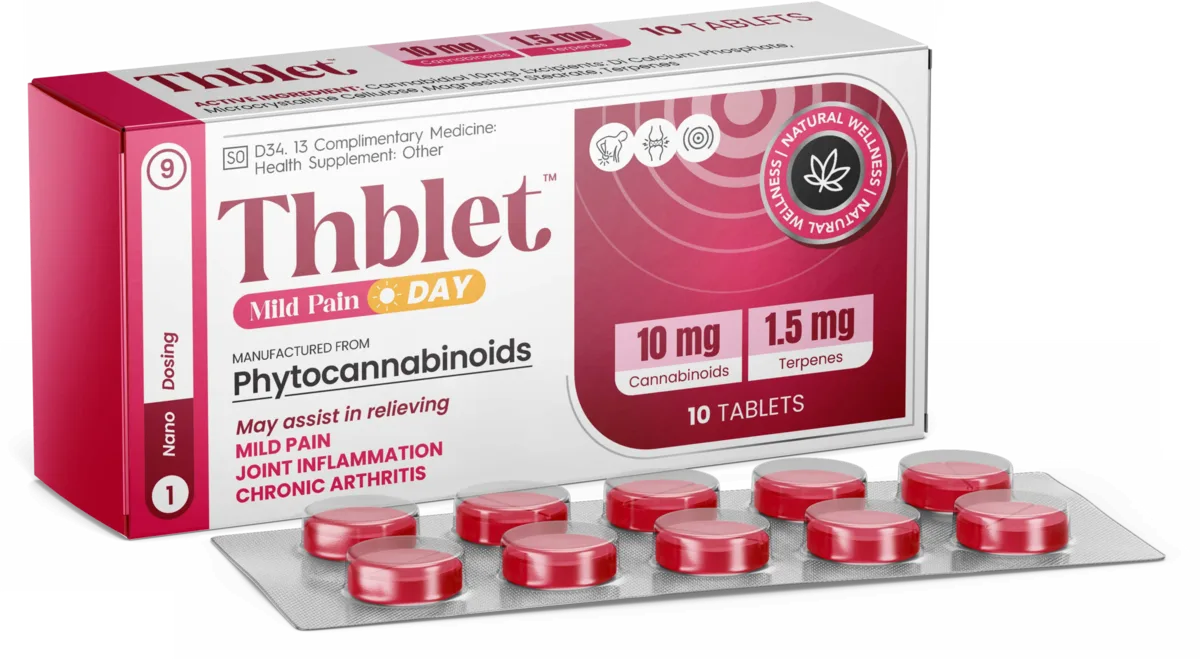
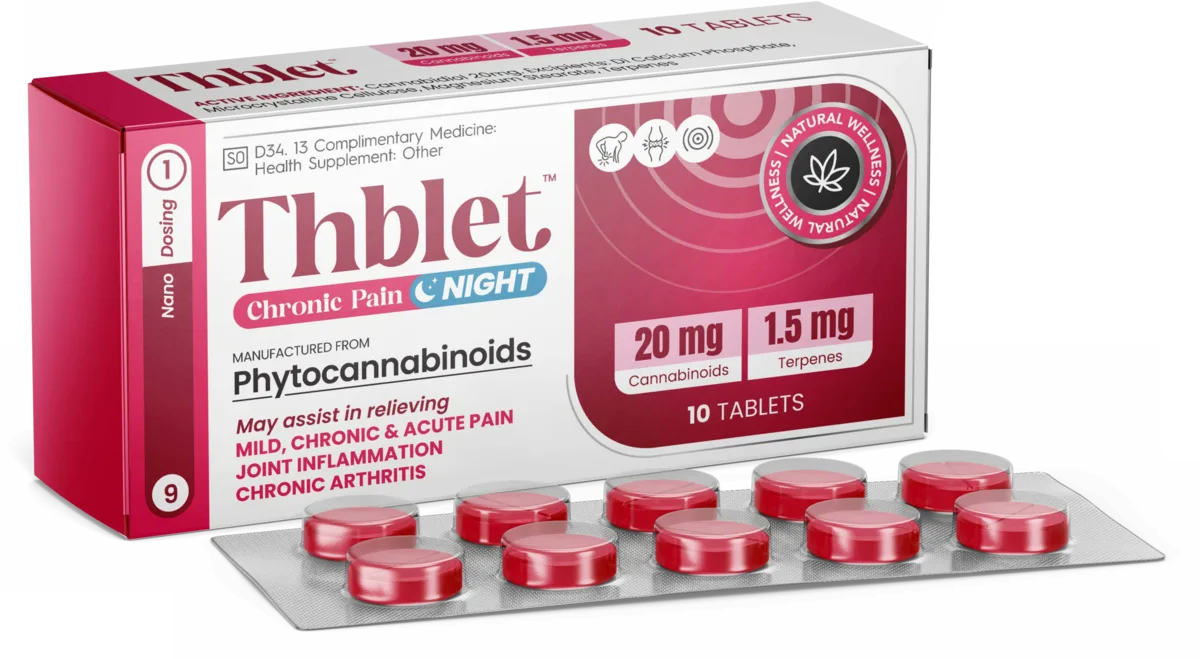
Each range has three products from 10 mg to 20 mg cannabinoids, colour-coded so they are easy to tell apart on the shelf.
Pain Range
Mild Pain, Moderate Pain and Chronic Pain. Daytime 10 mg to night-time 20 mg.
Calm Range
Calm, Calm Plus and Calm Max. Daytime 10 mg to night-time 20 mg.
Sleep Range
SleepAid, SleepAid Plus and Insomnia. All three are taken at night.
Stock the Thblet Range
Doctors, pharmacies, wholesalers and sales agents: tell us about your business and a Thblet representative will be in touch.