
Thblet Q&A
Q & A for Doctors & Clinicians
Pharmacology, mechanisms and safety: the questions prescribers ask most about the Thblet range.

20 questions
Prescribing Thblet: Pharmacology, Mechanisms and Safety
Select a question to read the answer. Anything we have not covered, send us a message and a Thblet representative will reply.
01What is the pharmacokinetic advantage of the Thblet nano-emulsion delivery system over standard oral phytocannabinoids?
Standard oral phytocannabinoids have low water solubility, and their absorption and first-pass liver metabolism vary between patients. The nano-emulsion system (30μm to 90μm) is designed to improve aqueous dispersibility and may improve the consistency and extent of gastrointestinal absorption compared with conventional lipid-based formulations. It is swallowed, so it is still subject to first-pass metabolism. For product-specific pharmacokinetic data, send us a trade enquiry.
02How does Thblet achieve multi-target therapeutic relief without single-receptor suppression?
Thblet is formulated as a Multi-Receptor Activation System, aimed at the CB1, CB2, 5-HT1A and TRPV1 pathways. It combines phytocannabinoids with specific terpenes (Myrcene, D-Limonene, Beta-Caryophyllene, Linalool), the Entourage Effect, with the aim of supporting neuro-endocrine and autonomic balance.
03How does Thblet’s safety profile compare with traditional NSAIDs or opioids?
NSAIDs, opioids and other analgesics carry known risks such as GI ulceration, renal strain or hepatotoxicity. Thblet works through different pathways, but it is not free of risk: cannabinoids can cause adverse effects, interact with other medicines and undergo clinically relevant hepatic metabolism. The label warns of drowsiness and impaired concentration. Assess each patient, review concomitant medicines, and report adverse reactions.
04How are the daytime formulations designed for use during the day?
Daytime formulations (Mild Pain Day, Calm Day) use terpene blends such as Limonene and Linalool, chosen with daytime use in mind. Individual responses vary, and the label warns that the product may cause drowsiness and impaired concentration. Patients should assess their response and should not drive or operate machinery if they experience drowsiness, dizziness, impaired concentration or other CNS effects.
05What receptor mechanisms differentiate Thblet’s action on central vs. peripheral pain?
CB1 receptors in the Central Nervous System are involved in central nociceptive signalling, while CB2 and TRPV1 receptors in peripheral tissues are involved in inflammatory pain. The Pain range is formulated to act on both. Its label states that it may assist in relieving joint inflammation and chronic arthritis.
06Why are terpenes crucial to the SleepAid line’s therapeutic efficacy?
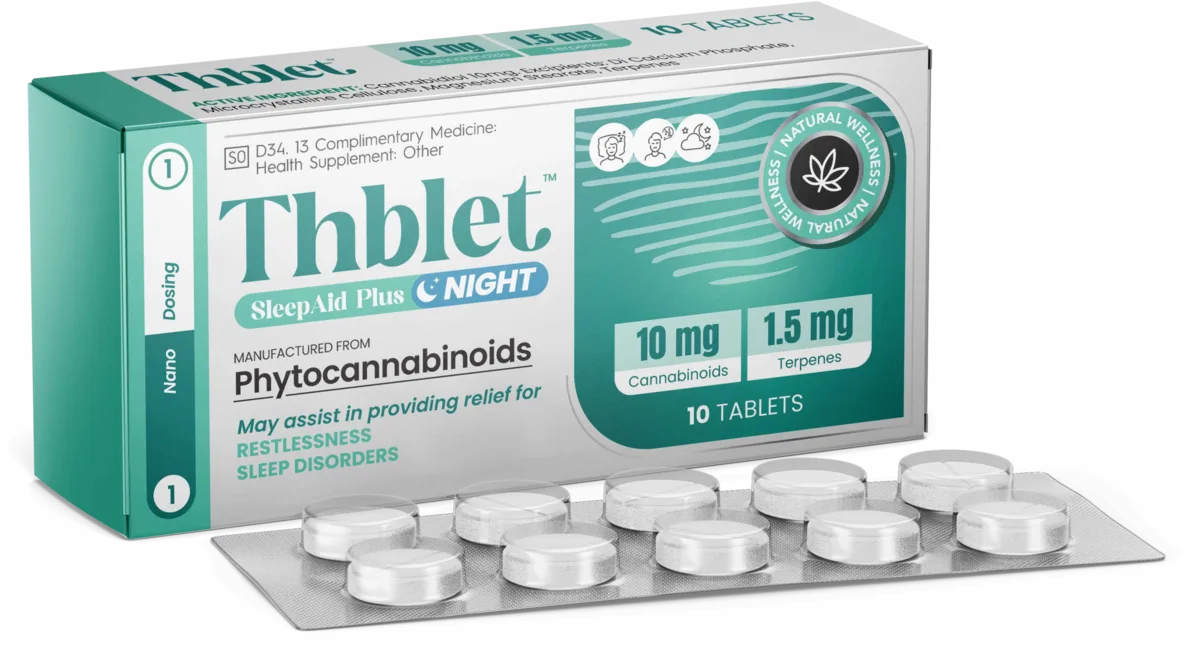
Terpenes such as Myrcene are included for their reported synergy with cannabinoids (the Entourage Effect). The label states that the Sleep range may assist in providing relief for restlessness and sleep disorders.
07Can Thblet be used alongside a patient’s current medicines?
At the clinician’s discretion, after reviewing the patient’s concomitant medicines and relevant CYP interactions. Thblet is not a substitute for prescribed treatment: patients must not stop or reduce prescribed medication without the supervision of the treating clinician.
08What role does 5-HT1A receptor modulation play in the Calm range?
5-HT1A is a serotonin receptor involved in stress and mood. The Calm range is formulated to act on this pathway alongside CB1/CB2 receptors, and its label states that it may assist in promoting emotional balance, reduced anxiety and improved focus.
09How does nano-dosing resolve inter-patient absorption variability?
Standard oils depend on gastrointestinal lipid emulsification, which varies between patients. Micro-droplet nano-dosing delivers pre-emulsified actives, designed to make absorption more consistent. Individual absorption and metabolism still vary.
10Is there a risk of receptor downregulation, tolerance buildup, or rebound anxiety?
Tolerance, dependence and rebound effects depend on a product’s cannabinoid composition and dose. Monitor each patient’s response over time, and send us a trade enquiry for the product-specific evidence for the Thblet range.
11How does Beta-Caryophyllene specifically target inflammatory cascades?
Beta-Caryophyllene has been described in laboratory research as a selective CB2 agonist, which may reduce pro-inflammatory mediators at tissue level without CB1-mediated psychotropic effects.
12What makes Thblet’s solid-dose matrix superior to unstandardized tinctures?
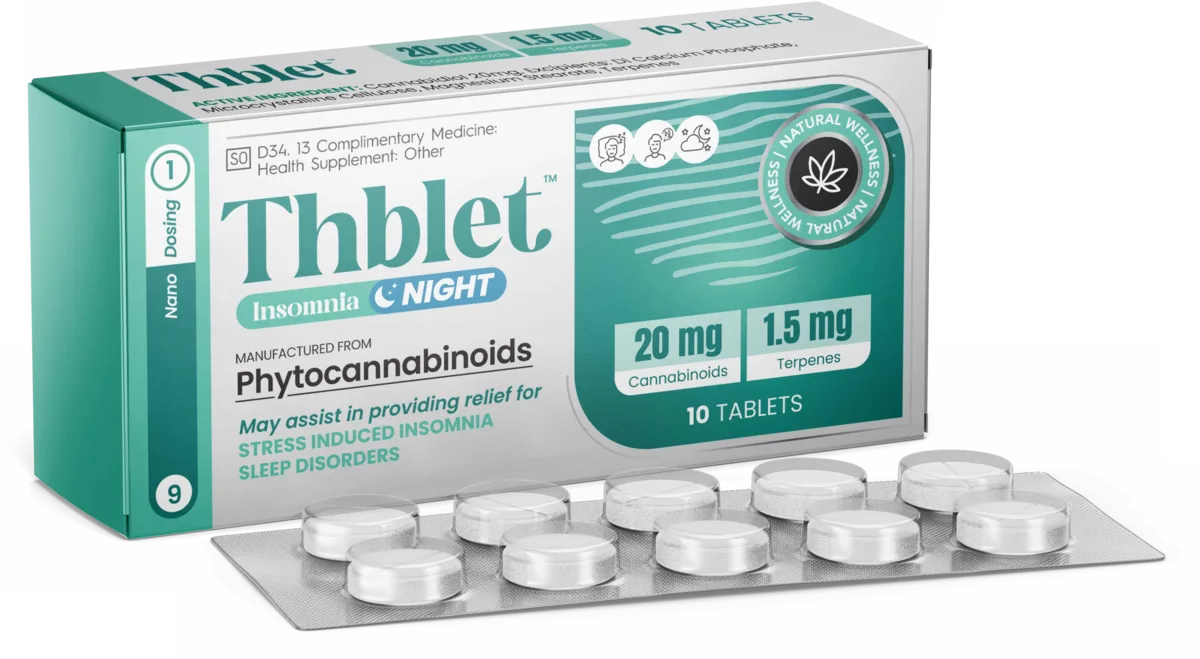
Each blister-packed tablet carries a fixed dose (10 mg or 20 mg cannabinoids with 1.5 mg terpenes), where the dose from a tincture depends on the dropper.
13How does Thblet support autonomic nervous system modulation?
Its actives are designed to act across the sympathetic system (30μm), aimed at fight-or-flight stress, and the parasympathetic system (60μm), aimed at rest and recovery.
14Why is the 20mg cannabinoid dose reserved for Night formulations?
The 20 mg products are the strongest in each range and are labelled for night-time use, aimed at persistent night-time pain or stress-induced sleep problems. The label warns that they may cause drowsiness and impaired concentration.
15Can Thblet be used for neuropathic pain conditions?
Neuropathic pain is not a labelled indication. The Pain range label states that it may assist in relieving mild, chronic and acute pain, joint inflammation and chronic arthritis. CB1 and TRPV1 are involved in nerve-pain signalling, but any use for neuropathic pain is a matter of clinical judgement.
16How does Linalool contribute to focus and anxiety management in Calm Plus Day?
Linalool has been studied for its effects on glutamate neurotransmission and may help ease nervous tension. The Calm label states that it may assist in promoting improved focus.
17What should clinicians monitor during use?
The patient’s symptom response (pain, sleep, anxiety), adverse effects such as drowsiness or dizziness, use of rescue analgesics, and any change in concomitant medicines.
18Does Thblet interfere with hepatic cytochrome P450 enzymes?
Cannabinoids such as CBD are metabolised by hepatic cytochrome P450 enzymes and can inhibit some of them (for example CYP3A4 and CYP2C19). Depending on the cannabinoids and dose, these interactions can be clinically relevant. Review the patient’s concomitant medicines and relevant CYP interactions, particularly medicines with a narrow therapeutic index, before recommending Thblet.
19How does Thblet address sleep latency versus sleep fragmentation?
SleepAid Night is positioned for difficulty falling asleep (latency), while the higher-tier SleepAid Plus and Insomnia formulations are positioned for night waking and sleep continuity.
20Can Thblet cause physical dependency?
It is formulated as a partial, balancing modulator of the endocannabinoid system rather than a full synthetic agonist. Dependence risk depends on the cannabinoid composition and dose, so review continued use over time.
How Thblet Works
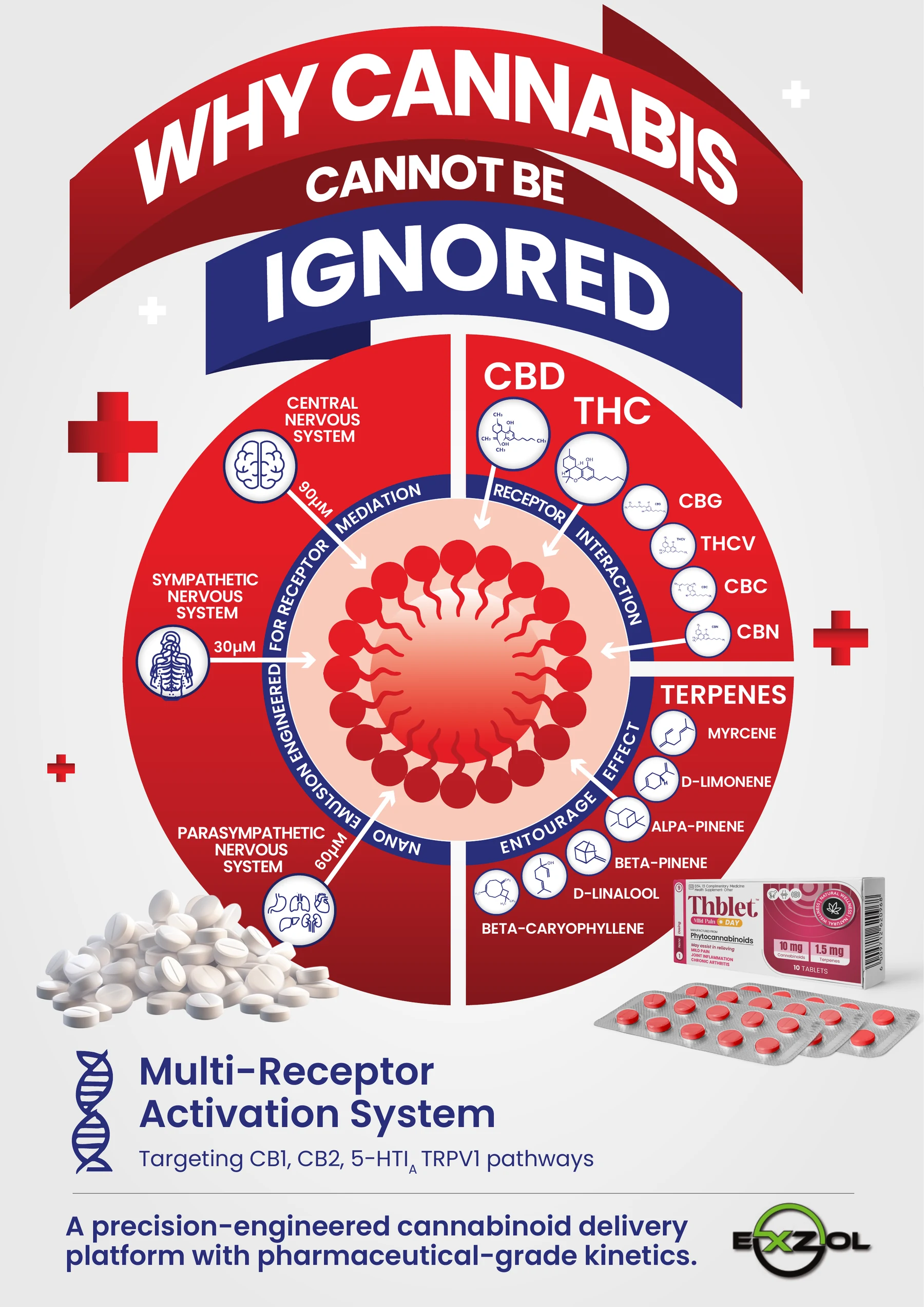
A precision-engineered cannabinoid delivery platform, designed for consistent absorption.
- Multi-Receptor Activation System, aimed at the CB1, CB2, 5-HT1A and TRPV1 pathways
- Nano-emulsion engineered for receptor mediation
- Phytocannabinoids and terpenes working together: the entourage effect
Terminology
The medical and pharmacological terms behind Thblet, in alphabetical order.
- 5-HT1A Receptor
- A subtype of serotonin receptor located in the central and peripheral nervous systems that mediates anxiety, mood, stress resilience, and emotional balance.
- Allopathic Medicine
- Conventional or traditional Western medicine, which often relies on active pharmaceutical agents to suppress or treat specific disease symptoms.
- Analgesic
- A class of medical treatments or agents specifically designed to achieve relief from pain without causing loss of consciousness.
- Anti-Inflammatory
- A therapy or substance that reduces inflammation, tissue swelling, and joint stiffness (e.g., in chronic arthritis).
- Anxiolytic
- A pharmacological agent or treatment designed to reduce anxiety, nervous tension, and emotional distress.
- Bioavailability
- The fraction of an administered active drug or compound that reaches the systemic circulation in an unchanged, usable state.
- CB1 Receptor
- Cannabinoid receptor type 1, primarily expressed in the central nervous system, responsible for modulating motor activity, memory, mood, cognitive function, and central pain perception.
- CB2 Receptor
- Cannabinoid receptor type 2, located mainly in peripheral tissues, immune cells, and the gastrointestinal tract, responsible for regulating inflammatory responses and peripheral pain.
- Central Nervous System
- The complex of nerve tissues that controls the activities of the body, comprising the brain and spinal cord, where primary pain perception (CB1 receptors) and central nervous responses are processed.
- Endocannabinoid System
- A complex cell-signalling network in the human body that plays a crucial role in regulating a wide range of functions and processes, including sleep, mood, appetite, memory, and pain sensation.
- Entourage Effect
- The synergistic mechanism by which phytocannabinoids and terpenes work together to enhance each other's therapeutic benefits beyond what any single isolated compound could achieve on its own.
- First-Pass Metabolism
- The initial breakdown of an orally ingested substance by liver enzymes before it reaches systemic circulation, often drastically reducing the effective dose of traditional oils.
- Nano-Emulsion
- A delivery system that disperses active lipid molecules as ultra-fine droplets (30μm to 90μm), designed to improve water dispersibility and the consistency of absorption.
- Parasympathetic Nervous System
- A branch of the autonomic nervous system responsible for regulating the body's "rest-and-digest" processes, promoting systemic relaxation and recovery.
- Pharmacokinetics
- The study of how the body absorbs, distributes, metabolizes, and excretes a drug or therapeutic compound over time.
- Phytocannabinoids
- Plant-derived cannabinoid compounds (such as CBD, THC, CBG, THCV, CBC, and CBN) that interact directly or indirectly with the body's endocannabinoid receptors to produce therapeutic effects.
- Sympathetic Nervous System
- A branch of the autonomic nervous system that drives the body's involuntary response to dangerous or stressful situations ("fight-or-flight").
- Terpenes
- Aromatic botanical compounds (such as Myrcene, D-Limonene, Beta-Caryophyllene, Linalool, and Alpha/Beta-Pinene) that contribute to a plant's therapeutic profile and modulate cannabinoid activity.
- TRPV1 Receptor
- Transient Receptor Potential Vanilloid 1, an ion channel receptor involved in the transmission and modulation of acute and inflammatory pain signals, heat sensation, and tissue inflammation.
Explore the Three Ranges
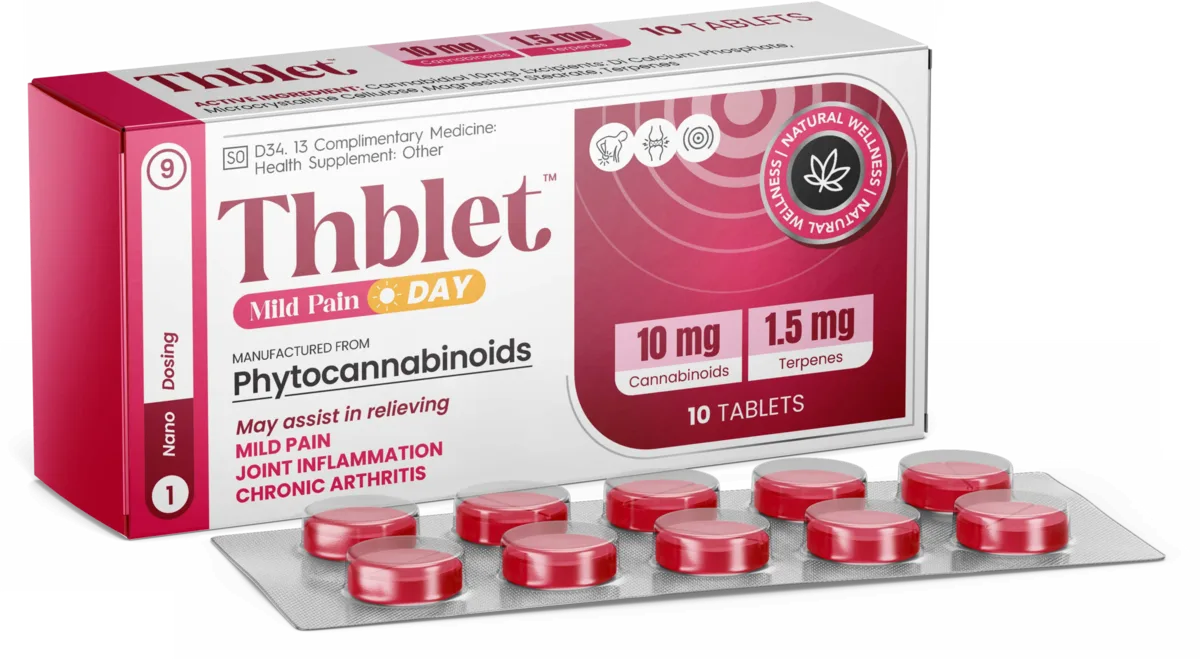
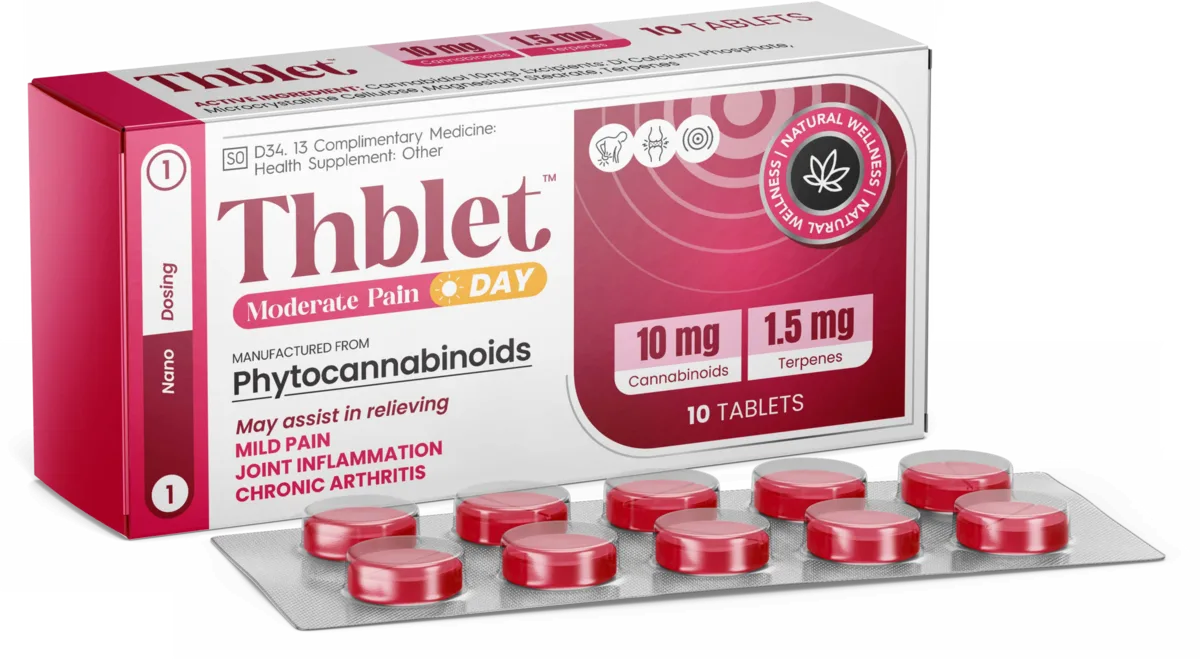
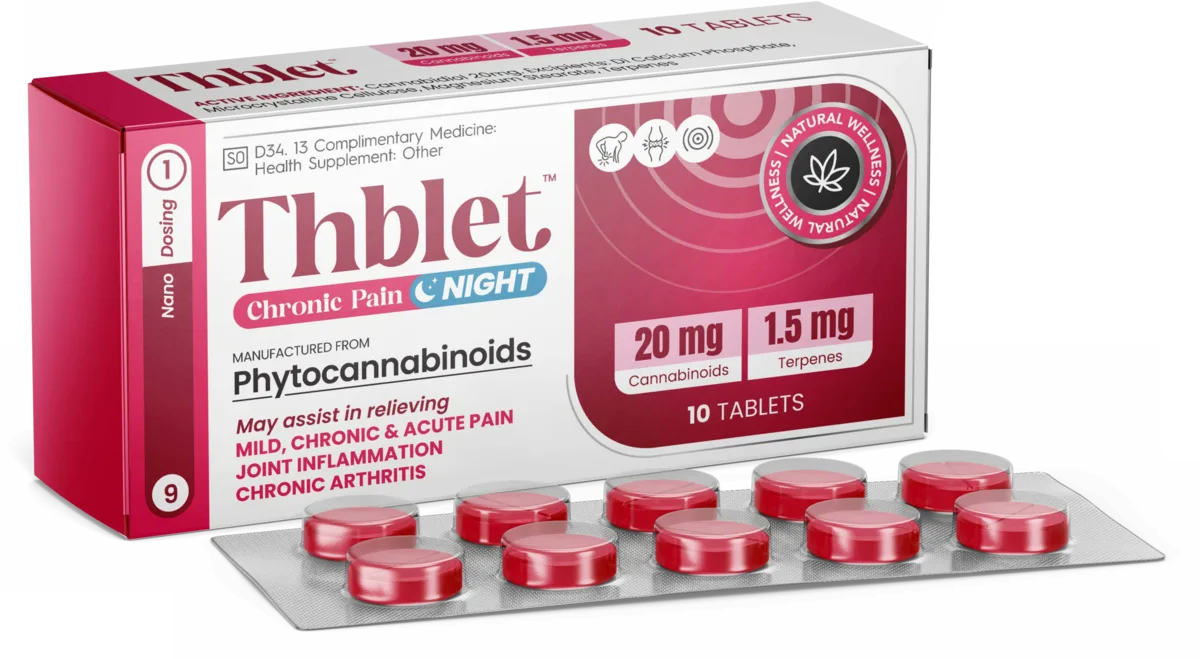
Each range has three products from 10 mg to 20 mg cannabinoids, colour-coded so they are easy to tell apart on the shelf.
Pain Range
Mild Pain, Moderate Pain and Chronic Pain. Daytime 10 mg to night-time 20 mg.
Calm Range
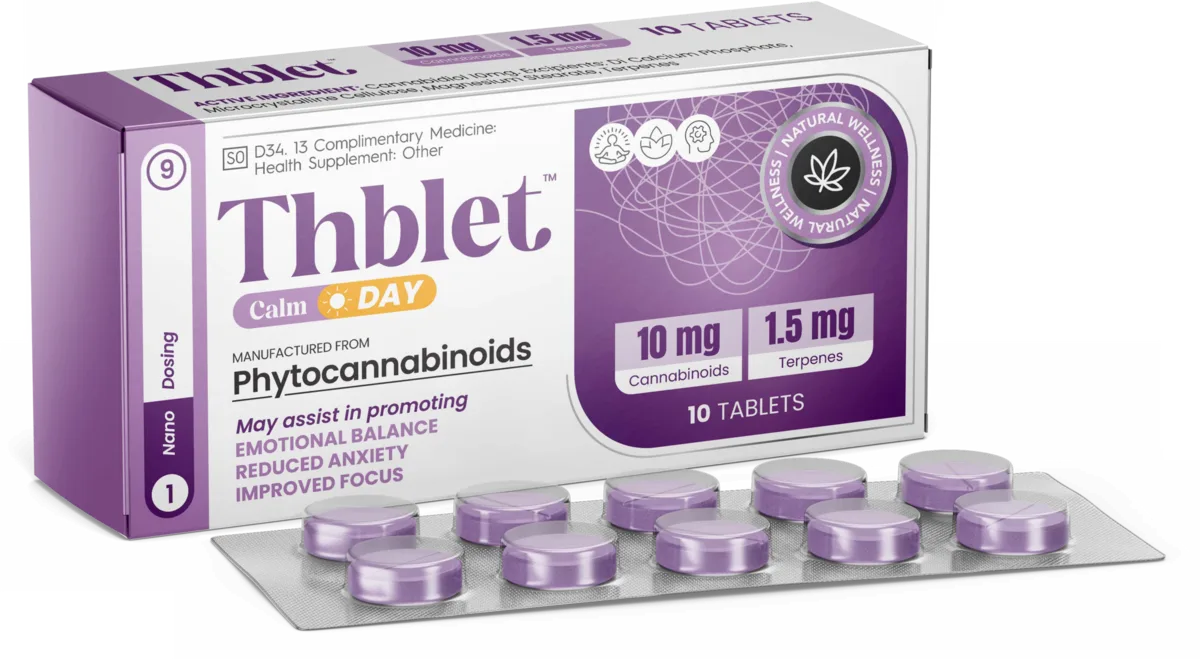
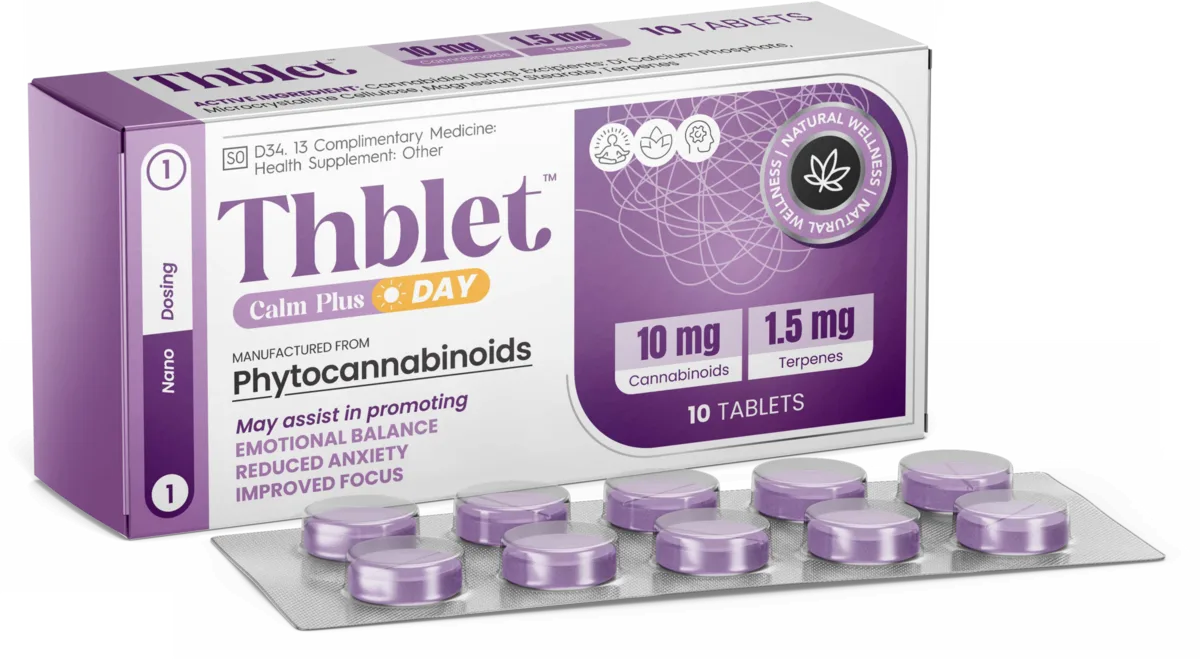
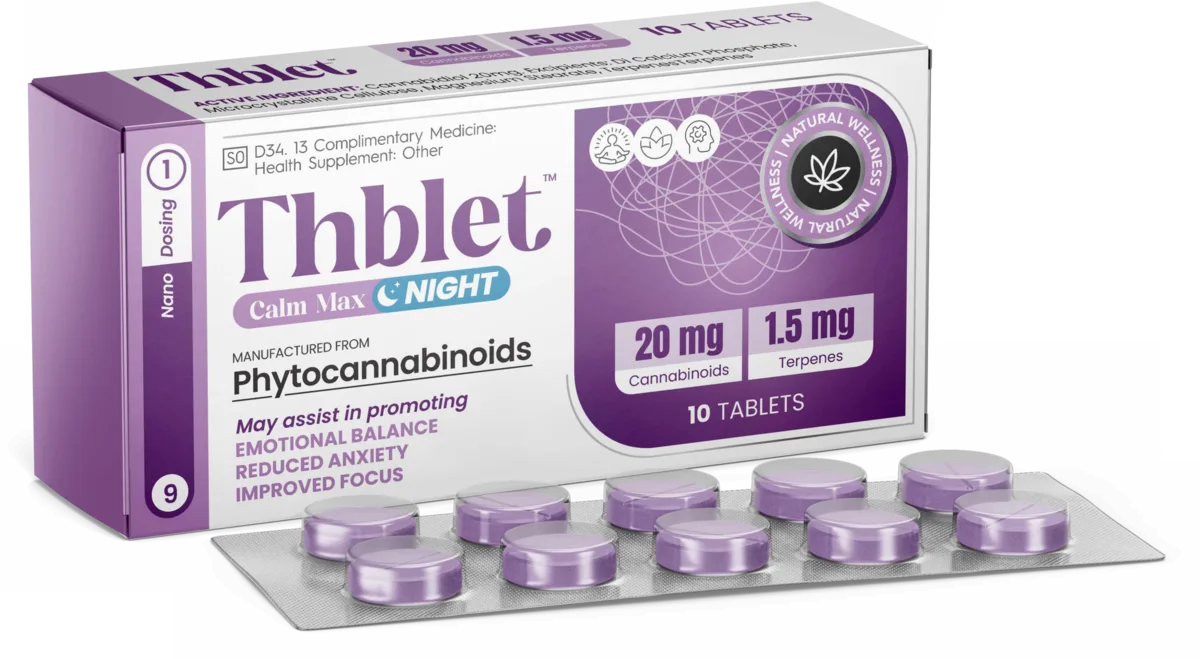
Calm, Calm Plus and Calm Max. Daytime 10 mg to night-time 20 mg.
Sleep Range
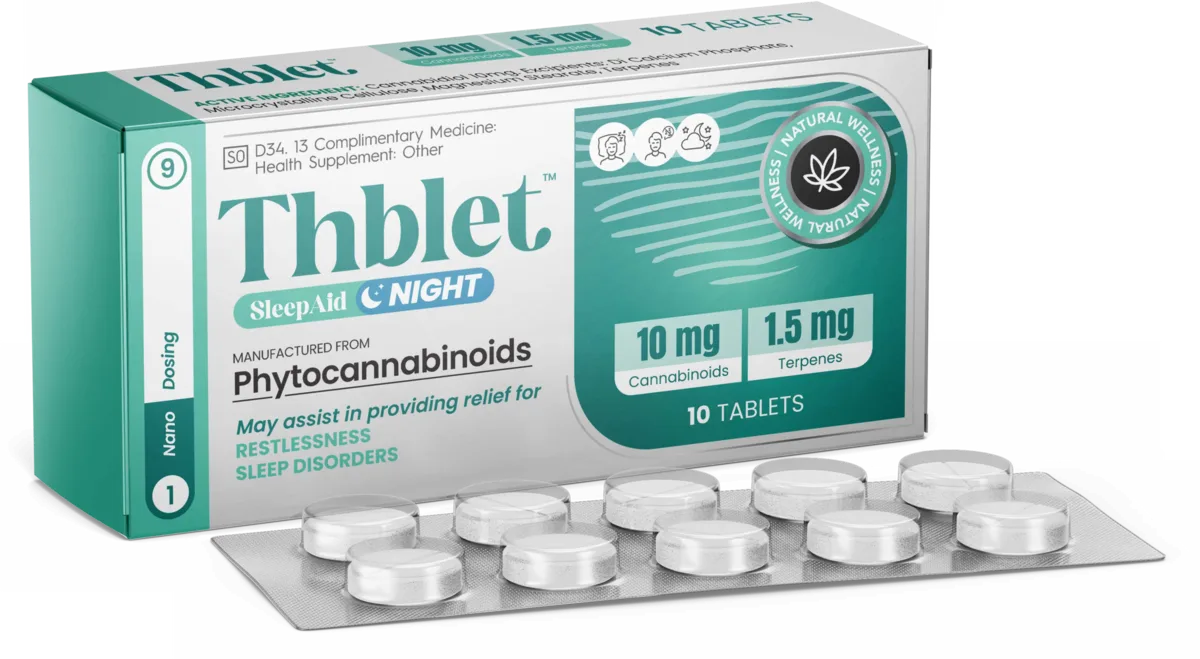
SleepAid, SleepAid Plus and Insomnia. All three are taken at night.
Stock the Thblet Range
Doctors, pharmacies, wholesalers and sales agents: tell us about your business and a Thblet representative will be in touch.